The Future of Global Education: Trends and Insights
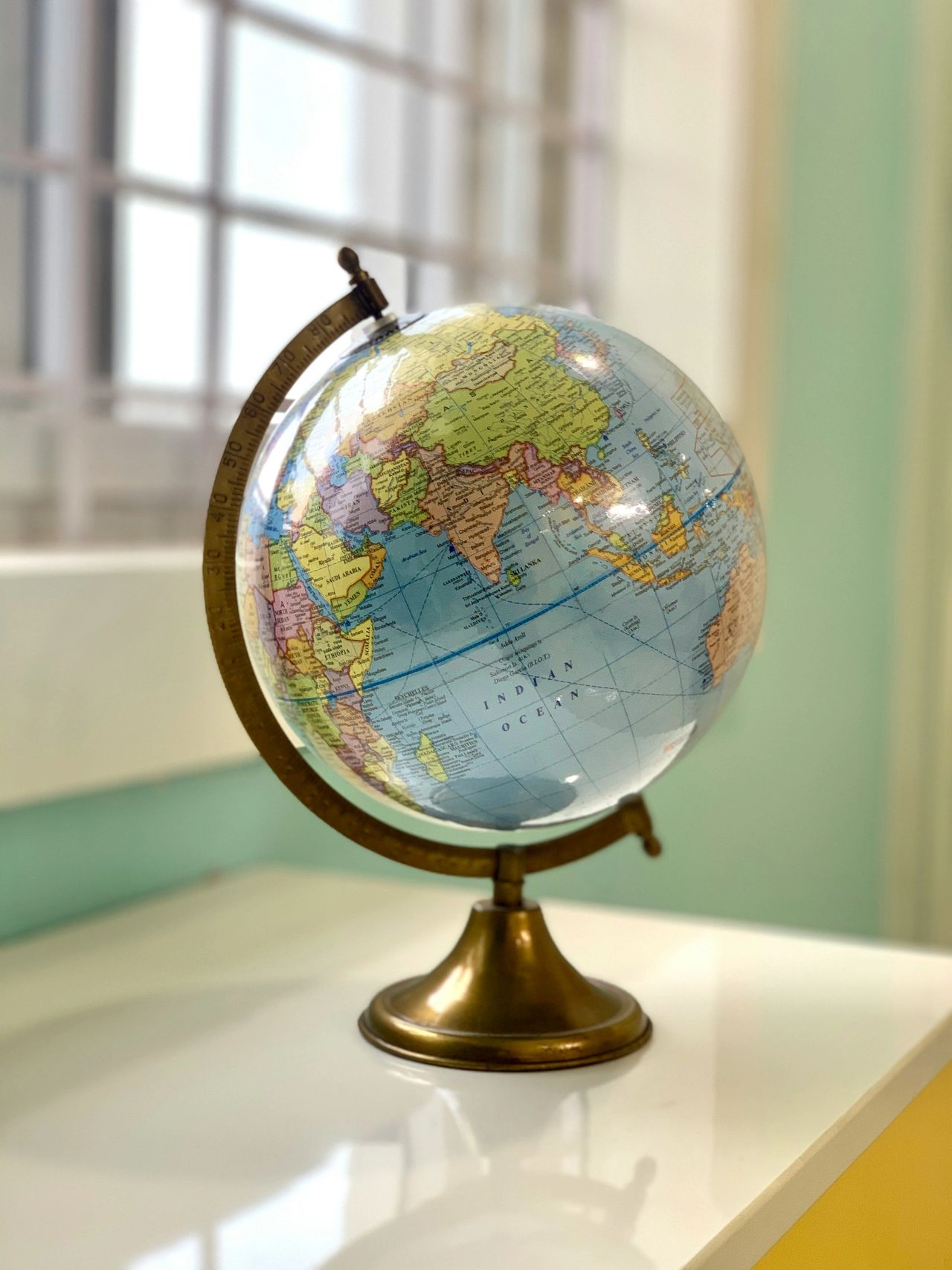
Global education is evolving rapidly as technology, culture, and connectivity reshape how people learn. For Glen Turf, whose love for education has guided a career rooted in cultural exploration and teaching, the future of learning is deeply tied to global awareness and access. Through years of experience working with diverse learners and international programs, Glen has seen how education is moving beyond borders, creating opportunities for deeper understanding and collaboration across cultures.
As the world becomes more interconnected, education must adapt to prepare learners for global citizenship rather than isolated knowledge.
Education Without Borders
One of the most significant trends in global education is the removal of physical and geographic boundaries. Learning is no longer confined to a single classroom, city, or country.
Virtual exchanges, international collaborations, and global classrooms allow students to engage with peers from different cultures in real time. These connections foster cross-cultural communication and broaden perspectives without requiring physical travel.
Education without borders encourages learners to think globally while addressing local challenges with broader insight.
Technology as a Catalyst for Global Learning
Technology continues to transform global education by expanding access and flexibility. Online platforms, digital resources, and virtual learning environments make education available to learners regardless of location.
Innovations such as:
- Virtual classrooms
- Language learning applications
- Online collaboration tools
- Digital storytelling platforms
have redefined how knowledge is shared. When used thoughtfully, technology enhances rather than replaces human connection.
Educators must balance innovation with intentional pedagogy to ensure technology supports meaningful learning.
Cultural Competence as a Core Skill
As workplaces and communities become increasingly diverse, cultural competence is no longer optional. Global education places growing emphasis on developing empathy, adaptability, and intercultural communication skills.
Students who engage with global perspectives learn to navigate differences respectfully. Cultural competence prepares learners to collaborate across borders and understand complex social dynamics.
Education that integrates cultural learning helps students become thoughtful global citizens rather than passive observers of global issues.
Experiential Learning on a Global Scale
Experiential learning remains central to the future of global education. Programs that incorporate travel, service learning, internships, and cultural immersion create deeper engagement.
Even when physical travel is not possible, experiential learning can be simulated through:
- Virtual cultural exchanges
- Global project-based learning
- Community partnerships
- Real-world problem-solving initiatives
These approaches encourage students to apply knowledge in meaningful contexts, strengthening both understanding and retention.
Equity and Access in Global Education
Equity is becoming a driving force in the evolution of global education. Historically, international learning opportunities were accessible to a limited group of students. The future demands broader access.
Institutions and educators are focusing on:
- Affordable global programs
- Inclusive curriculum design
- Support for underrepresented learners
- Flexible participation options
Expanding access ensures global education benefits diverse communities rather than reinforcing existing inequalities.
Language Learning in a Connected World
Language education remains a cornerstone of global learning. However, its role is evolving beyond grammar and vocabulary.
Modern language education emphasizes communication, cultural context, and practical usage. Technology supports this shift through interactive tools and authentic content.
Language learning helps students build confidence, empathy, and adaptability—skills essential in an interconnected world.
The Evolving Role of Educators
Educators are no longer sole providers of information. In global education, they act as facilitators, mentors, and cultural guides.
Educators help students navigate complexity, reflect on experiences, and develop critical thinking skills. They create spaces for dialogue and encourage curiosity.
This evolving role requires ongoing professional development and openness to new methods. Educators who embrace change remain relevant and effective.
Global Citizenship Education
Global education increasingly prioritizes global citizenship. This approach encourages learners to understand their responsibilities within a global community.
Key components include:
- Awareness of global issues
- Ethical decision-making
- Environmental responsibility
- Social justice and equity
Education that fosters global citizenship empowers learners to engage thoughtfully with the world around them.
Data-Informed and Personalized Learning
The future of education includes greater personalization supported by data and analytics. Personalized learning allows students to progress at their own pace and focus on areas of interest.
When applied responsibly, data helps educators identify learning needs and adapt instruction. Personalization enhances engagement while respecting individual differences.
Global education benefits from personalized approaches that accommodate diverse backgrounds and learning styles.
Lifelong Learning in a Global Context
The future of global education extends beyond formal schooling. Lifelong learning is becoming essential as careers and industries evolve.
Global education encourages continuous learning through professional development, cultural engagement, and personal exploration. This mindset supports adaptability and resilience.
For educators like Glen Turf, lifelong learning reflects a commitment to curiosity and growth rather than a fixed endpoint.
Collaboration Across Institutions and Cultures
Collaboration is shaping the future of global education. Institutions, educators, and communities are forming partnerships to share resources and expertise.
Collaborative initiatives promote innovation and cultural exchange. They also help address global challenges through collective learning.
Education thrives when knowledge is shared rather than siloed.
Shaping the Future Through Global Education
The future of global education is defined by connection, inclusivity, and adaptability. As learning becomes more global, education must prepare learners to navigate complexity with empathy and insight.
Glen Turf’s passion for education reflects the belief that global learning has the power to transform individuals and communities. By embracing emerging trends and maintaining a commitment to cultural understanding, education can shape a future rooted in collaboration and shared humanity.
Global education is not just about learning the world—it is about learning how to live within it.


Comments
Post a Comment