The Evolution of Global Learning: Past, Present, and Future
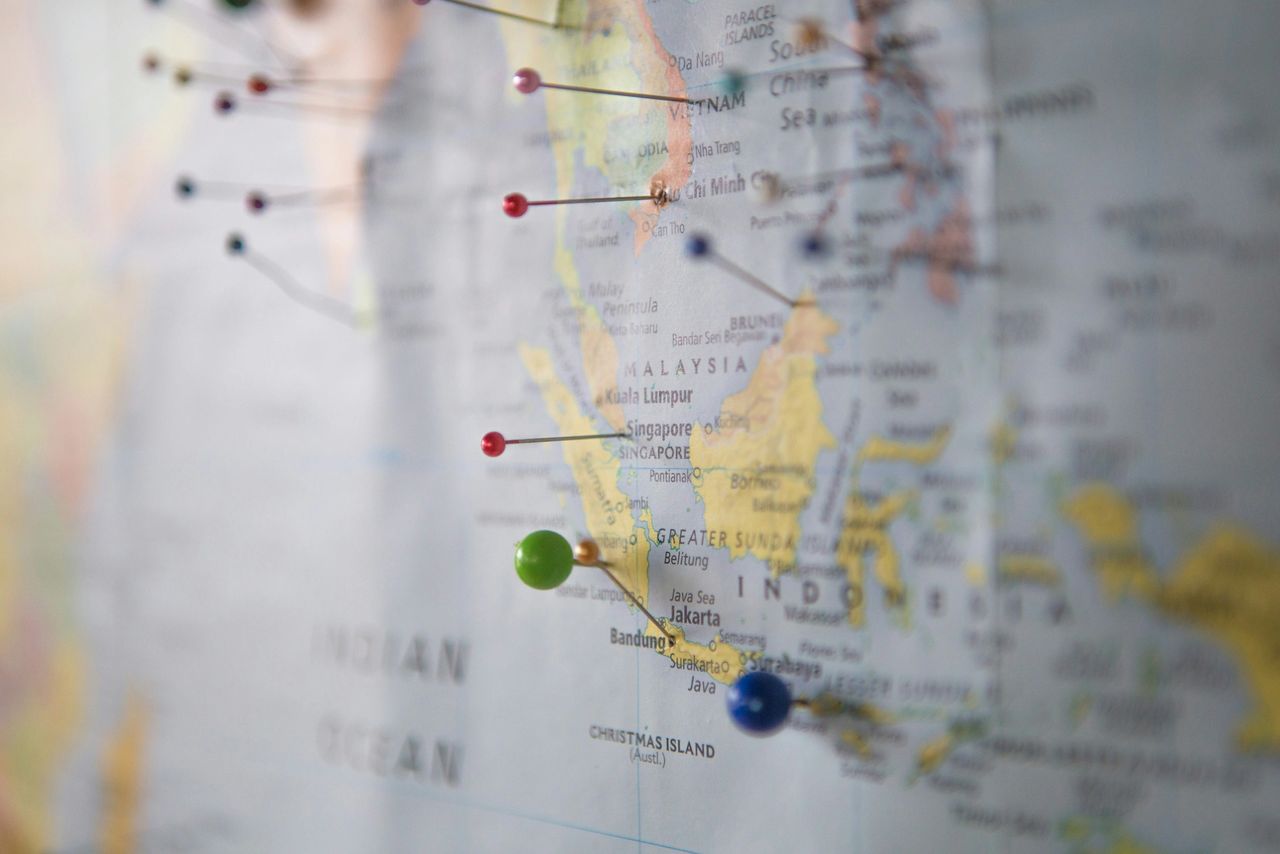
Global learning has never been static. It has evolved alongside culture, technology, and society itself. For Glen Turf, whose love for education has shaped a career centered on cultural understanding and teaching, global learning represents a continuous journey rather than a fixed destination. Through years of experience in education and international engagement, Glen has witnessed how learning across cultures has transformed—and how it continues to shape the future of education.
Understanding where global learning has been helps educators and learners appreciate where it is headed and why it matters more than ever.
Early Foundations of Global Learning
The roots of global learning can be traced back to early exchanges of knowledge through trade, exploration, and diplomacy. Long before formal education systems existed, people learned about the world through travel, storytelling, and shared experience.
Early scholars and explorers brought back ideas, languages, and philosophies that influenced education across regions. While access to global learning was limited to a privileged few, these early exchanges laid the groundwork for cross-cultural understanding.
Education during this period was informal but deeply experiential, relying on observation and interaction rather than structured curricula.
The Institutionalization of Global Education
As education systems developed, global learning became more structured. Universities, language academies, and cultural institutions began incorporating international perspectives into formal curricula.
Study abroad programs emerged as a way for students to gain firsthand experience in different cultures. These programs emphasized language acquisition, historical context, and cultural immersion.
Although access expanded, global learning was still largely confined to higher education and limited by cost and geography.
The Impact of Globalization
The late twentieth century marked a turning point in global learning. Advances in transportation and communication made the world more interconnected than ever before.
Globalization increased cultural exchange, international collaboration, and economic interdependence. Education responded by expanding international programs and emphasizing global awareness.
Students began learning not only about other cultures but also how global systems influence local communities. Global learning became increasingly relevant to professional and civic life.
Technology and the Present State of Global Learning
Technology has transformed global learning in unprecedented ways. Digital tools have removed many traditional barriers, allowing learners to connect across borders instantly.
Virtual classrooms, online exchanges, and digital collaboration platforms enable global interaction without physical travel. These tools democratize access to global learning and create new opportunities for inclusion.
Today’s learners can engage with global perspectives from anywhere, making global education more accessible than ever before.
Experiential Learning in the Modern Era
While technology has expanded access, experiential learning remains central to global education. Immersive experiences—whether physical or virtual—help learners develop empathy and adaptability.
Modern global learning often combines:
- Travel-based programs
- Service learning
- Virtual cultural exchanges
- Project-based collaboration
These approaches emphasize participation and reflection, ensuring learning extends beyond surface-level exposure.
The Role of Educators in a Changing Landscape
Educators play a critical role in guiding global learning experiences. As global education evolves, educators must adapt their approaches to support diverse learners.
Rather than serving solely as content experts, educators act as facilitators who help students navigate complexity and reflect on experiences. They model curiosity, respect, and openness.
This evolving role requires continuous learning and adaptability from educators themselves.
Equity and Inclusion in Global Learning
One of the most important developments in global learning is the growing emphasis on equity and inclusion. Historically, global education opportunities were available to a narrow group of students.
Today, institutions are working to expand access through:
- Virtual programs
- Scholarships and funding support
- Inclusive curriculum design
- Community-based global learning
These efforts aim to ensure that global education benefits diverse populations and perspectives.
Language and Communication Across Cultures
Language learning has always been a cornerstone of global education. However, its role has expanded beyond technical proficiency.
Modern language education emphasizes cultural context, communication skills, and empathy. Understanding how language reflects culture helps learners connect more authentically.
Effective communication across cultures is essential in today’s interconnected world.
Future Directions in Global Learning
Looking ahead, global learning is poised to continue evolving. Emerging trends include greater personalization, interdisciplinary approaches, and collaboration across institutions.
Future global education will likely emphasize:
- Global citizenship
- Sustainability and ethics
- Cross-cultural problem solving
- Lifelong learning
These priorities reflect the changing needs of a global society.
Lifelong Learning and Global Engagement
Global learning no longer ends with formal education. Lifelong learning is becoming essential as the world continues to change.
Continuous engagement with global perspectives helps individuals remain adaptable and informed. Learning becomes a lifelong relationship rather than a finite phase.
For educators like Glen Turf, lifelong learning reflects a commitment to curiosity and growth that extends beyond professional roles.
Reflection as a Bridge Between Past and Future
Reflection connects the history of global learning to its future. By examining past approaches and present challenges, educators can design more effective programs.
Reflection encourages intentionality and ensures global learning remains meaningful rather than superficial.
Learning from history helps shape a future grounded in understanding and collaboration.
Global Learning as an Ongoing Journey
The evolution of global learning reflects humanity’s ongoing desire to understand one another. From early cultural exchanges to modern digital collaboration, global education has continuously adapted.
Glen Turf’s passion for education highlights the importance of embracing change while staying rooted in curiosity and empathy. As global learning continues to evolve, it offers powerful opportunities to build understanding, connection, and shared purpose.
Global learning is not a destination—it is a journey shaped by past experiences, present innovation, and future possibility.


Comments
Post a Comment